







Search Results for: social reintegration

Luckin Coffee Quietly Raises Delivery Prices, Sparking Questions; Little Deer Tea Returns to the Store System in a New Form
After a long period of silence, Luckin Tea has recently returned to the public eye with a brand-new posture, but this time it did not appear as an independent brand. Instead, it has been reintegrated as a product line within Luckin Coffee stores. At the same time, without prior announcement, Luckin quietly raised the delivery drink prices at some stores by about 2 to 3 yuan, triggering widespread discussion among consumers on social platforms. The company responded that this move is a refined management measure based on differences in store operating costs, involving more than 800 stores in 11 cities. From an independent brand to a returning product series, from price adjustments to changes in operating strategy, what market considerations are revealed behind this series of moves by Luckin Coffee? [more…]
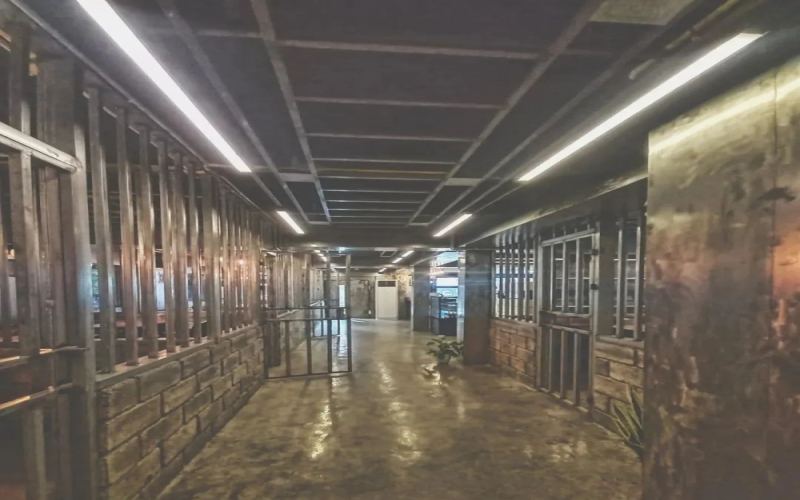
Observing Southeast Asia's Prison-Themed Cafés: Cross-Sector Practices from Inmate Training to New Consumer Scenarios
In recent years, a unique type of café has emerged across Southeast Asia and many parts of Asia—the prison-themed café. Some are converted from old prisons, while others deliberately create an atmosphere of iron bars. Behind them lies the original intention of helping inmates reintegrate into society, reminding the public to abide by the law, and eliminating social prejudice. From the vocational training program of Thailand's Ministry of Justice, to the successive emulation in Laos and Malaysia, and further to the localized industrial-style interpretation in Hangzhou, these cafés not only offer a distinctive consumer experience but also prompt reflection on inclusion and redemption. Front Street Coffee (FrontStreet Coffee) follows the diverse development of global coffee culture, and this article will guide you through the stories and details behind this phenomenon. [more…]
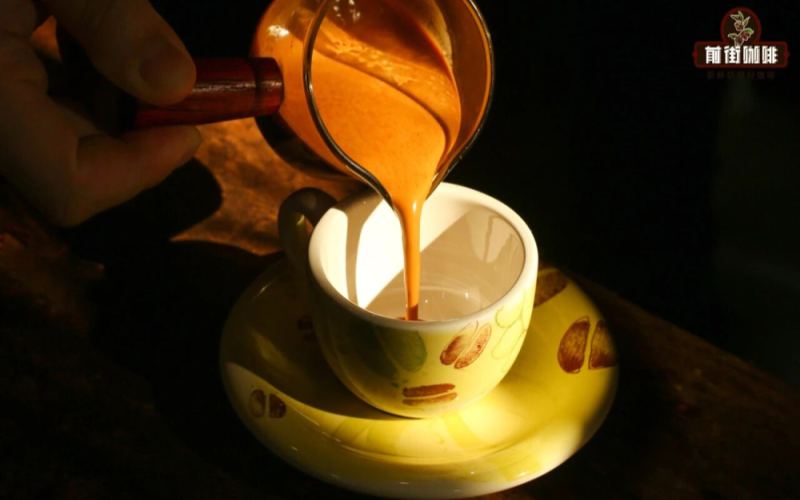
The correct way to taste espresso: how to drink out its layers, and how it really differs from Americano
Espresso always carries a sense of drama on social media—some people down it in one gulp with a look of pure bliss, while others take a single sip and immediately frown. Why does the same cup of coffee trigger such polarizing reactions? The truth is, espresso itself is not just bitter; its aroma and layers are far richer than you might imagine—it's just that the high concentration makes the bitterness too prominent, masking the flavors underneath. Starting from real scenes at Front Street Coffee locations, this article shares practical tasting techniques such as stirring the crema, drinking in stages, and pairing with ice water, while also clarifying the essential difference between espresso and Americano, helping you truly understand this little cup of Italian coffee. [more…]

When should you open a bag of light or dark roasted SOE? The roast date determines the pace of drinking your beans.
When SOE beans are freshly roasted, they are still continuously releasing carbon dioxide internally, and their aromatics are in a stage of reintegration. At this point, "the fresher, the more aromatic" does not always translate directly into the cup: dark roasts usually enter their smooth-drinking window earlier, while light roasts often need several more days of waiting. Deciding whether to choose dark or light also depends on whether you can consistently maintain stability after the flavors have opened up. [more…]
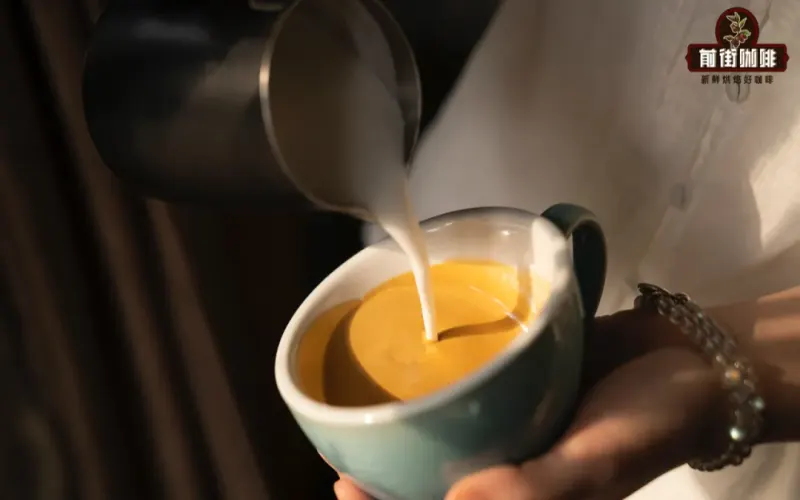
What to Do When Milk Foam Is Too Thick, Separated, or Too Thin? Practical Fixes for Pouring Pitcher and Pre-Mixing in Latte Art
Mistakes when steaming milk foam are occasionally unavoidable—foam that is too thick, too coarse, too thin, or milk and foam that have separated will all make latte art difficult. This article compiles several practical milk foam repair methods, including shaking and tapping the pitcher, using a spoon to scoop out excess foam, pouring the milk into another pitcher, and pre-blending techniques, and explains in detail the principle and points to note for each method. It also explains why pouring into another pitcher can improve milk foam fluidity, and how pre-blending helps thin milk foam successfully complete patterns. At the end, Front Street Coffee-related recommendations and further reading are retained, making it suitable for coffee enthusiasts who want to improve their latte art skills. [more…]
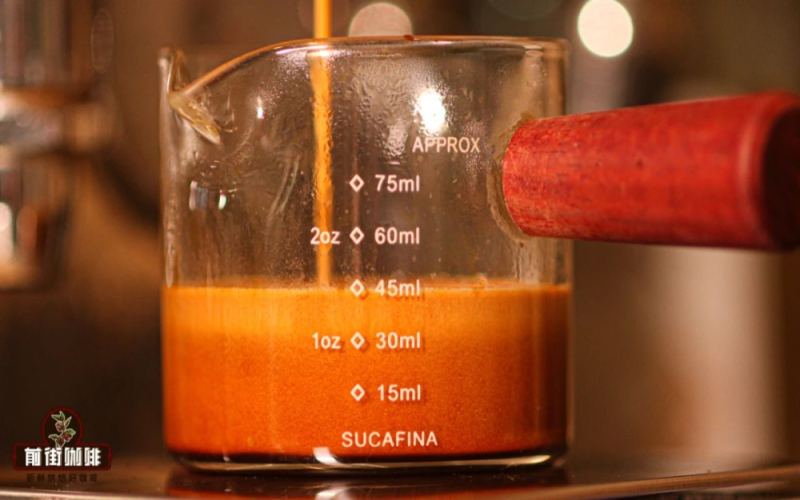
The Correct Way to Drink Espresso | What Is Espresso Made Of? What Is the Standard Coffee-to-Water Ratio for Pulling a Shot?
Espresso is surely familiar to everyone; the coffee base for many milk-based coffee drinks is made by extracting espresso under pressure from an espresso machine and then adding milk. Many beginners have also asked Front Street Coffee (FrontStreet Coffee) whether espresso can be drunk directly. [more…]
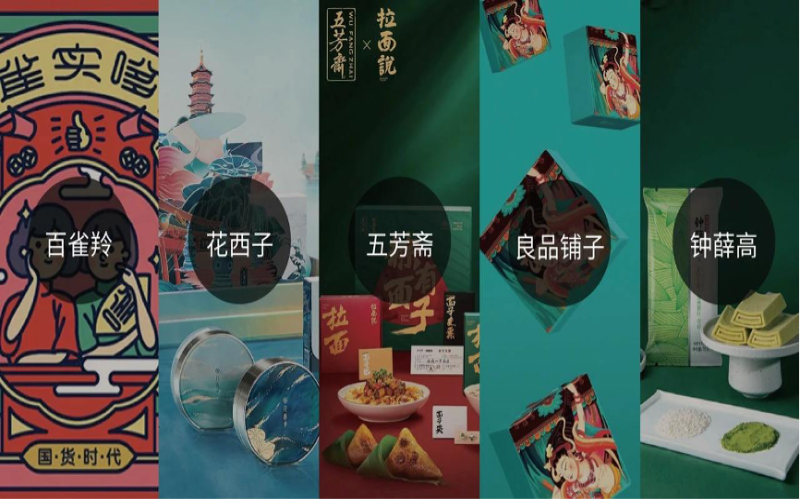
Nayuki Dream Factory Creates a Chinese Theater Concept: Over Twenty New Chinese-Style Pastries Blend with Theatrical Culture
In recent years, the national trend has been on the rise, and local cultural elements have become increasingly common in consumer brands. As a leading brand in the new-style tea beverage sector, Nayuki has abandoned its former Japanese-leaning brand image and transformed Nayuki Dream Factory into an opera space full of Chinese charm, launching more than 20 new Chinese-style pastries represented by mochi and palmiers, with each product corresponding to a classic opera such as The Drunken Concubine, The Peony Pavilion, and Farewell My Concubine. The store also displays traditional theater merchandise such as covered bowls and folding fans, creating an atmosphere of stepping into a traditional opera garden. Previously, Heytea also launched Axi Teahouse incorporating Sichuan opera elements. Against the backdrop of widespread price increases in the tea beverage industry, Heytea attracted market attention with a low price of nine yuan, and whether Nayuki's move into the national-trend pastry track can break through is worth continued attention. [more…]
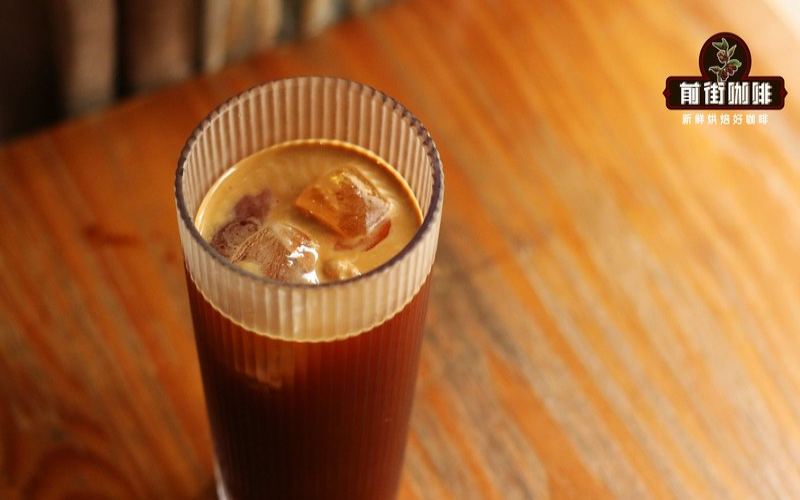
When to Start Drinking Medium-Roast Pour-Over Beans: A Flavor Calendar After Roast Date
The aroma of medium-roast pour-over beans isn't fully developed the moment they come out of the roaster. After roasting, the beans continue to release carbon dioxide, and the volatile aromatics are still re-integrating; if you brew too early, the coffee bed puffs up noticeably, water tends to channel around it, and the cup may have a soaring aroma but sweetness that hasn't come together yet. So when choosing beans, you should check the roast date, and also give them time to [more…]
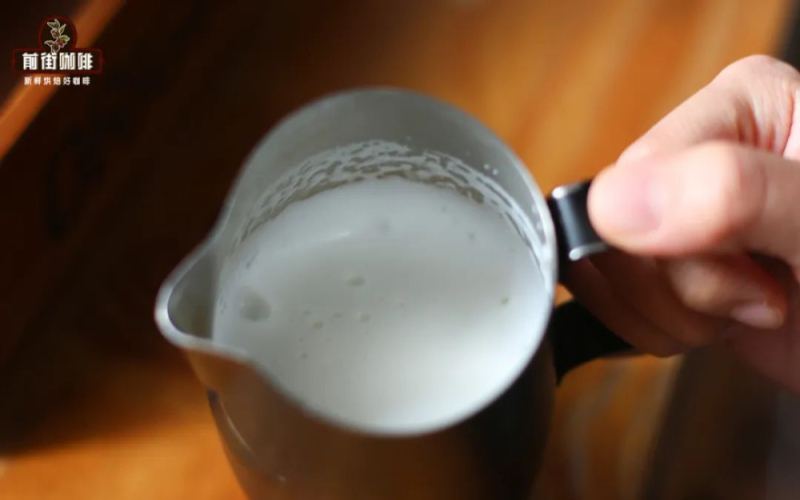
How to Fix Milk Foam That's Too Coarse or Too Thick? Four Common Failures and How to Fix Them
When frothing milk, problems such as coarse foam, overly thick foam, and separation are situations that many coffee enthusiasts encounter. This article focuses on the four most common types of milk frothing failures—foam that is too thin, foam that is coarse, foam that is too thick, and separation of milk and foam—analyzing the causes and effects of each one by one, and providing corresponding remedies. Among these, for the situation where there are only a small number of large bubbles on the surface of the foam, Front Street recommends eliminating them by shaking the milk pitcher; when there are many coarse bubbles, the "pitcher tapping" technique can be used. If the foam is too thick, it can be handled by "foam skimming," while separation problems require "pitcher pouring" to reintegrate the foam. It should be noted that pitcher pouring for rescue should be done no more than twice, otherwise the temperature of the foam will continue to drop, affecting the final result. [more…]
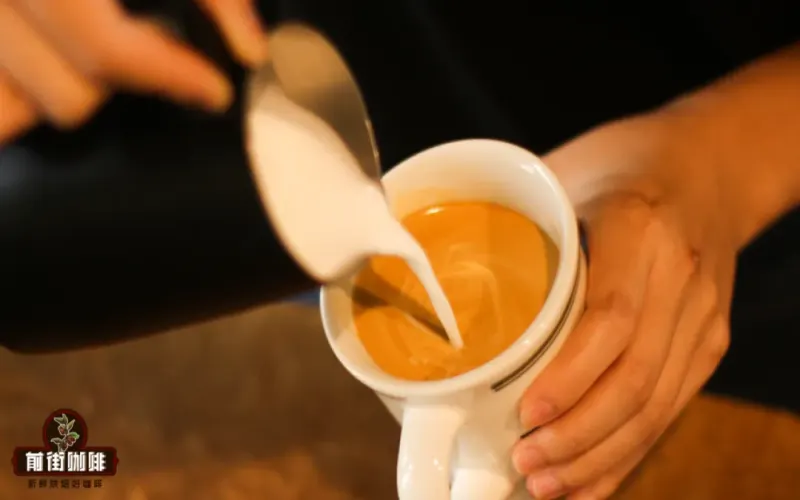
Analysis of Four Common Mistakes in the Milk Integration Stage of Latte Art: A Complete Guide to Pour Height, Flow Rate, and Crema Condition
When making a latte, the integration step before latte art is often overlooked, yet it is just as crucial as the bloom in pour-over coffee. Improper integration directly affects the aesthetics of the pattern and the difficulty of drawing it. This article summarizes the four most common mistakes made by beginners and advanced players during integration: too low a pouring distance, too high a flow rate, unstable flow, and espresso crema left sitting too long and losing its fluidity. At the same time, Front Street Coffee offers recommendations for classic blend and commercial blend beans to help you achieve ideal crema and flavor. Mastering these key points can effectively improve your latte art success rate and overall coffee performance. [more…]
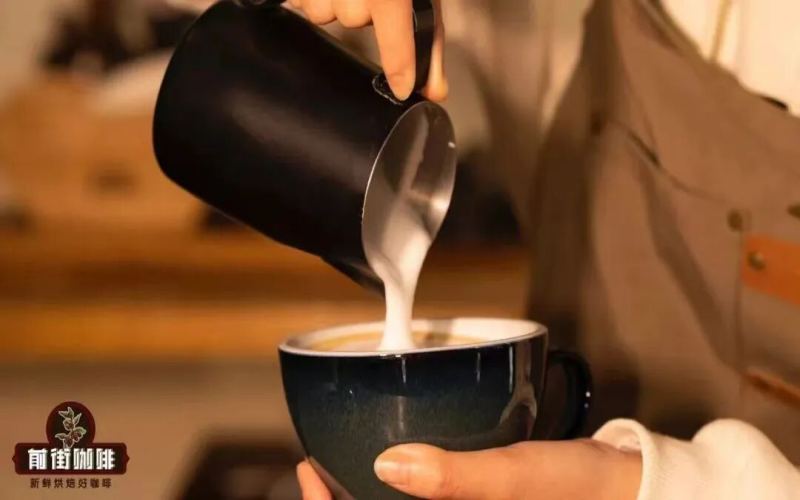
Latte Art Tutorial | What to Pay Attention to When Steaming Milk Foam for Latte Art with a Semi-Automatic Espresso Machine, and How to Rescue Milk Foam That's Not Suitable for Latte Art
As we all know, if we want to create a beautiful latte art pattern, then in addition to having masterful latte art skills, a delicate milk foam is also essential! But even those who have already reached the pinnacle of expertise will occasionally have times when they fail to froth the milk well, perhaps because a momentary lapse makes the milk foam become [more…]
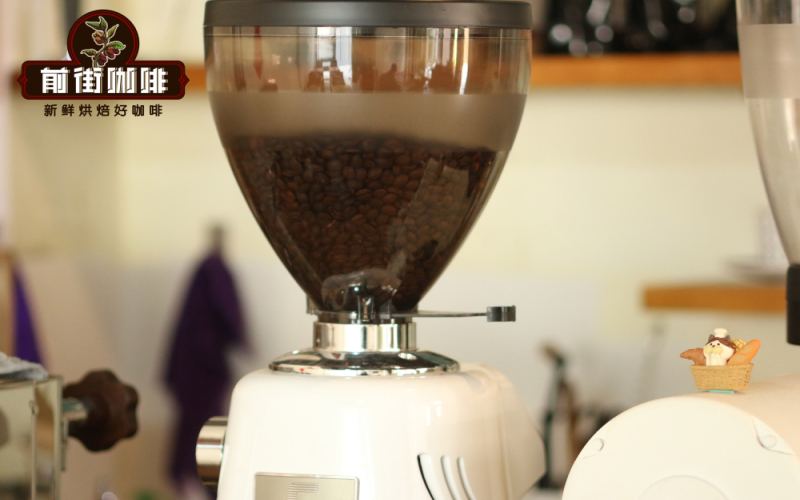
A Detailed Guide to Espresso Coffee Dose and Brew Ratio: How to Pull the Ideal Espresso with 20g of Coffee
To craft a qualified espresso, the dosage of coffee grounds and the grind size are the key determinants of success. Unlike pour-over or cold brew, espresso uses pressurized short-time extraction, where any slight deviation is magnified. This article centers on the core question of how much coffee liquid to extract from 20g of grounds, providing a detailed explanation of determining the grind size range, choosing the coffee-to-liquid ratio, judging flow rate and flavor, and the proper way to taste espresso. It also recommends Front Street Coffee's classic espresso blend to help enthusiasts recreate a café-level espresso experience at home. [more…]

The Origins and Evolution of Espresso, and Practical Tips for Properly Tasting Espresso
How did espresso evolve from a "devil's drink" into Italy's national beverage? This article traces the complete story of espresso—from its introduction to Italy in the 16th century, to the invention of the steam coffee machine, and on to the establishment of the modern extraction system—while delving into the cultural roots of Italians' preference for dark roasts and heavy-bodied flavors. At the same time, Front Street Coffee will share three practical tips for enjoying espresso—stir it, take a few extra sips, and pair it with ice water—to help you better appreciate the rich layers and lingering aftertaste hidden behind the bitterness. [more…]
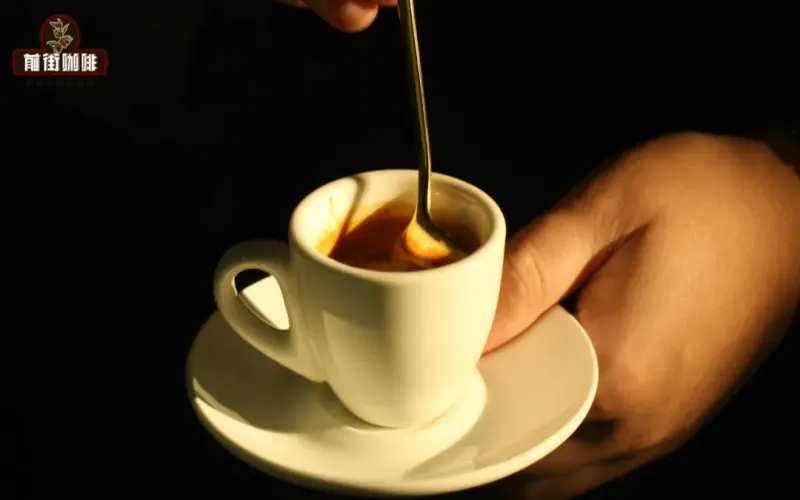
Where does espresso flavor come from? How to choose espresso beans? Five tips to teach you how to taste Espresso
Espresso often leaves a first impression of being "bitter," which puts off many first-time tasters. But those who truly know how to appreciate it can taste layers and pleasure in this small cup of coffee. From the perspective of Front Street, this article systematically sorts out the three major advantages brought by espresso's pressurized extraction—Crema, rich lipids, and ultra-high concentration—and shares five practical tasting tips: first rinse your mouth with water, stir to blend the oils, smear the oils around the rim of the cup to adapt, take small sips in several rounds, and choose Italian-style beans with a medium roast. At the same time, it introduces how Front Street's classic blend, with a combination of Mandheling, Brazil, and a small amount of Robusta, presents a chocolate-hazelnut profile that is strong but not bitter, helping you more easily enjoy a cup of espresso. [more…]
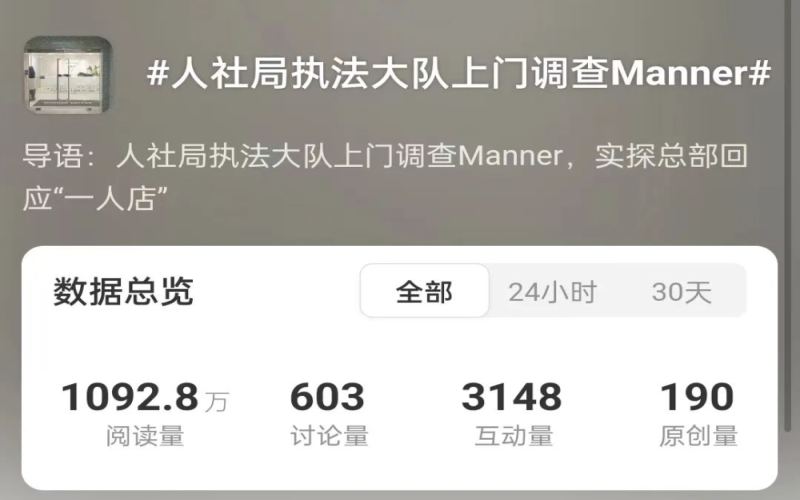
Manner faces scrutiny over the number of employees enrolled in social insurance, and the enforcement team from the Human Resources and Social Security Bureau conducts an on-site inspection.
Recently, Manner Coffee has once again become the focus of public opinion due to a mismatch between the number of employees enrolled in social insurance and the scale of its stores. Shanghai Yinhe Industrial Co., Ltd. had only 1,225 people enrolled in social insurance in 2023, while Manner has more than 1,295 stores, raising public suspicion about whether it has paid social insurance in full for all employees. The enforcement brigade of the Human Resources and Social Security Bureau has visited to investigate. Manner responded that it implements a comprehensive working hours system and that there is no situation of not signing contracts, not paying social insurance, or withholding overtime pay. In addition, the brand responded to topics such as leaked videos, store staffing, and employee treatment, admitting that the issue of one-person stores is complex, but promising to improve baristas' comfort at work. The incident continues to escalate, bringing common problems in the industry to the surface. [more…]
Starbucks WeChat Status feature goes live, a review of Starbucks' innovative online coffee social layout in recent years
星巴克近日与微信联手推出全新「星巴克微信状态」功能,成为首个入驻微信状态的品牌。消费者通过扫描门店留言本二维码或使用啡快下单,即可生成专属微信状态,实现线上咖啡轻社交。事实上,星巴克近年来持续布局线上社交零售,从啡快、专星送到微信小程序,不断拓展咖啡社交新场景。与此同时,星巴克2021财年第三季度财报显示,中国市场同店销售增长19%,门店总数已达5135家。本文将全面解析星巴克微信状态的玩法及其背后的社交新零售战略。 [more…]

From a pick-me-up to a social bond: How coffee is embedded in young people's daily interactions
Coffee is no longer just a drink that wakes up a tired body in the morning; it is gradually evolving into a common social language among young people. From the "coffee in the morning, alcohol at night" lifestyle, to a casual "Wanna grab a coffee?" in the office that kicks off some downtime, to the warmth of neighbors exchanging coffee supplies during the pandemic, the functions coffee carries have long gone beyond simply staying awake. Starbucks has been in China for over two decades, spurring cafes to spring up everywhere. Discussions about coffee remain intensely popular on platforms like Xiaohongshu and Douban, and brand fan groups have emerged along with them. Cafe locations have also expanded from commercial districts and office buildings to residential neighborhoods, making their community character increasingly distinct. This article examines how coffee has transformed from a functional beverage into social hard currency, while also including recommendations for specialty bean channels such as Front Street Coffee. [more…]

Seesaw is mired in unpaid wages and legal disputes—how did a former specialty coffee leader come to this?
Recently, a post on social media about Seesaw employees being owed wages and social security contributions has sparked widespread discussion. Chat records show that management admitted to operating difficulties and promised to pay salaries in installments, while key figures such as founder Wu Xiaomei and director Zhang Sai were also drawn into the discussion. In fact, Seesaw was already reported last year for issues such as delayed wages and suspended social security payments, and now it faces 19 judicial cases, with its last store in Chongqing also having closed. Although a new store in Changsha is still operating, this series of upheavals has led many coffee enthusiasts to lament: has the one-time benchmark of specialty coffee truly fallen into trouble? [more…]
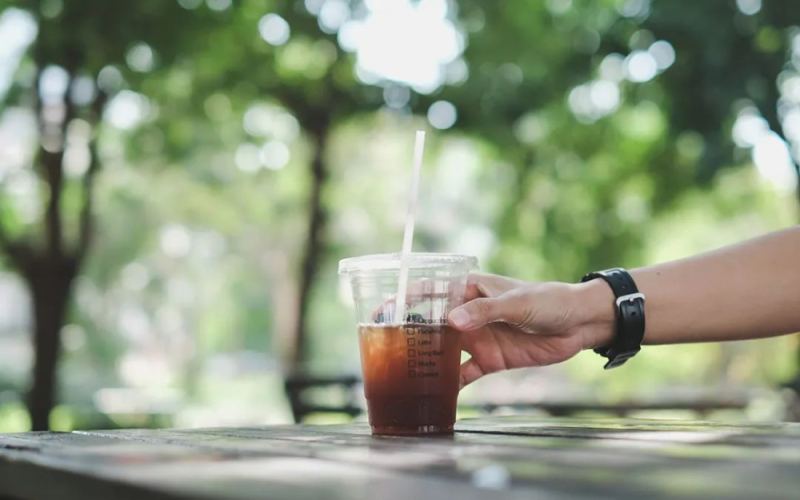
Why Is Iced Americano So Widely Loved? Unpacking the Appeal of This Coffee, from Health Benefits to Social Appeal
In recent years, the popularity of iced Americano has continued to climb, becoming the daily first choice for many coffee lovers. It is affordable, delivers a noticeable energy boost, and is low in calories, while also being quick to make and suitable for all kinds of social occasions. Compared with the complex flavor discernment involved in pour-over coffee, iced Americano has a stable taste and a high level of acceptance, allowing drinkers to enjoy it easily anytime and anywhere without agonizing over differences in origin and roasting. Whether for a morning pick-me-up or to cut through richness after a meal, iced Americano shows a unique appeal, and has even been jokingly called a "longevity secret" by netizens. This article will analyze why iced Americano is so popular from multiple angles, including health, social life, and culture, and share related product information from Front Street Coffee. [more…]
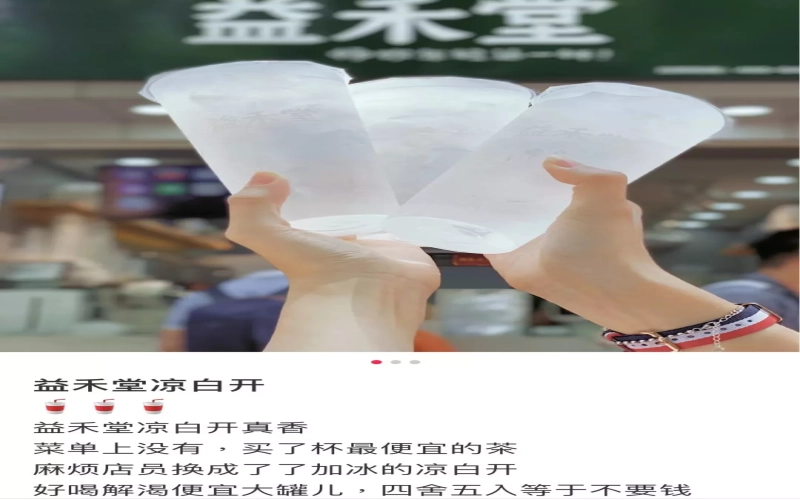
Why has ice water become the new social media favorite? Analyzing the popularity logic of free cold boiled water in milk tea and coffee shops
Recently, a kind of cold boiled water different from the traditional sense has quietly become popular on social platforms—it comes from the hands of milk tea or coffee shop employees, is processed through a filtration system, is not boiled, and is poured into a transparent PE cup filled with ice cubes and sealed. Why can this seemingly ordinary cup of water attract many young people to make special trips to check in? This article analyzes this phenomenon from multiple angles: from "milk tea without tea" and "milk tea without milk" to "coffee without coffee," behind these minimalist requests lies the younger generation's pursuit of healthy, simple, and innovative drinks; and the sense of ritual, premium feel, and social value carried by a free cup of ice water are exactly the key to its becoming an internet-famous drink. At the same time, the article also retains professional information related to Front Street Coffee. [more…]